

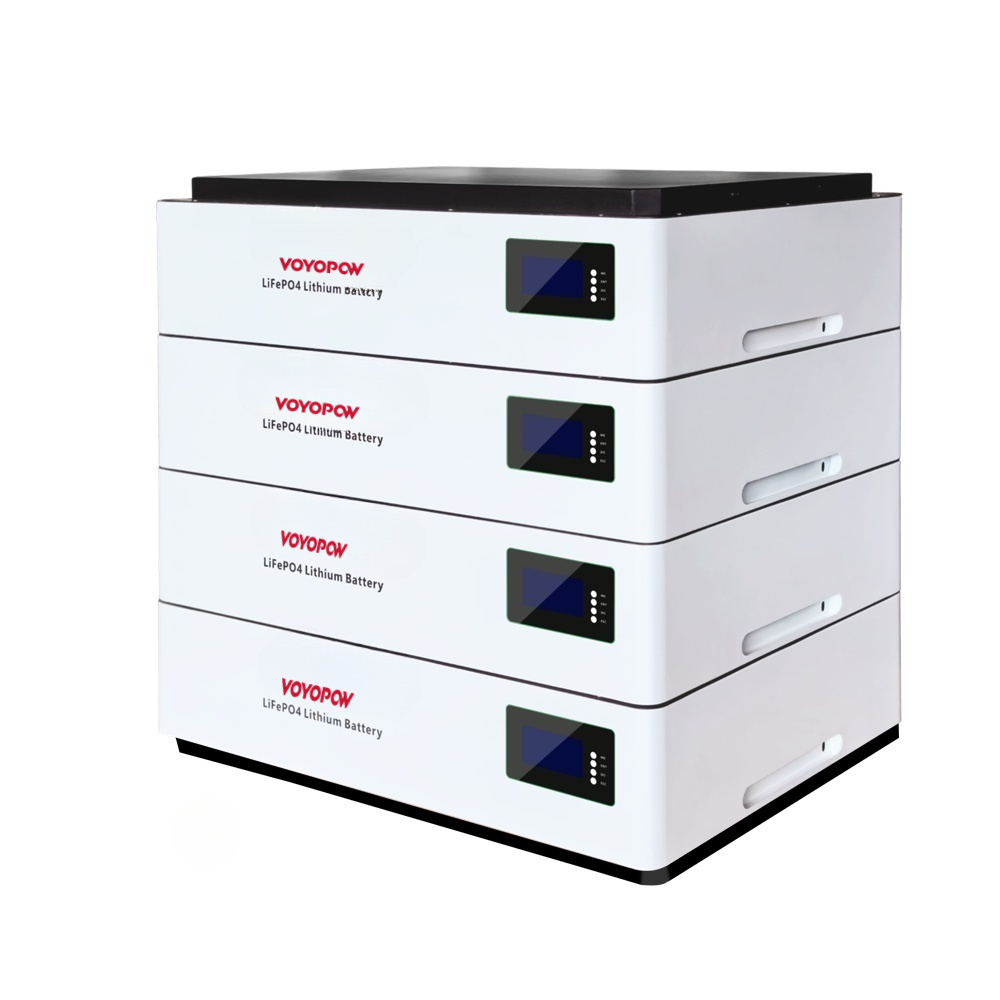
In the global shift towards sustainable energy, solar panels and wind turbines get most of the attention. But they have a critical weakness: they only generate power when the sun is shining or the wind is blowing. So, how do we ensure a constant, reliable power supply? The answer lies in the lithium storage battery.
This technology is the cornerstone of modern energy storage, enabling us to capture clean energy and use it whenever needed. This comprehensive guide will explore what a lithium-ion battery storage system is, how it works, its numerous advantages, and its transformative applications.
What is a Lithium Storage Battery?
A lithium storage battery, or a lithium-ion battery energy storage system (BESS), is a large-scale device designed to store electrical energy for later use. While based on the same fundamental chemistry as the batteries in your smartphone or electric vehicle, these systems are engineered for greater capacity, power, and longevity to serve residential, commercial, and grid-scale needs.
How it Works:
The core principle involves the movement of lithium ions between two electrodes:
· Charging: When connected to a power source (like solar panels or the grid), lithium ions move from the positive electrode (cathode) to the negative electrode (anode). This process stores energy chemically.
· Discharging: When power is needed, the ions flow back from the anode to the cathode, releasing electricity to power your home, business, or the grid.
Key Applications of Lithium Battery Storage
- Residential Energy Storage
· Solar Self-Consumption: Pairing a home battery storage system with rooftop solar panels allows homeowners to store excess energy generated during the day for use at night, maximizing energy independence and reducing electricity bills.
· Backup Power: Provides an uninterrupted power supply during grid outages, keeping essential appliances running.
- Commercial & Industrial (C&I) Storage
· Peak Shaving: Businesses can use stored energy during periods of high electricity demand to avoid costly “demand charges” from utility companies.
· Backup Power: Ensures critical operations continue without interruption during a power failure.
- Utility-Scale Grid Storage
· Renewable Integration: Grid energy storage systems smooth out the intermittent output of large-scale solar and wind farms, making renewable energy a more reliable source for the grid.
· Peak Load Leveling: Charges during low-demand periods (off-peak) and discharges during high-demand periods (on-peak), balancing the grid and preventing blackouts.
· Frequency Regulation: Responds in milliseconds to help maintain the grid’s stable frequency.
Why Choose Lithium? The Unmatched Advantages
Lithium-ion technology has become the dominant force in the energy storage market for several compelling reasons:
· High Energy Density: Lithium batteries store a significant amount of energy in a compact and lightweight package, making them ideal for space-constrained applications.
· High Efficiency: They offer excellent round-trip efficiency (often over 95%), meaning very little energy is lost during the charge/discharge cycle.
· Long Cycle Life: Modern lithium storage batteries can withstand thousands of charge cycles with minimal degradation, offering a service life of 10+ years.
· Rapid Charging & Discharging: They can quickly absorb and release large amounts of power, which is crucial for applications like backup power and grid frequency regulation.
· Low Maintenance: Unlike lead-acid batteries, they require virtually no maintenance over their lifetime.
· Declining Costs: As production has scaled up, the cost of lithium battery packs has consistently fallen, making them more accessible than ever.
Types of Lithium Batteries for Storage
While there are several chemistries, two dominate the storage market:
· Lithium Iron Phosphate (LFP): Known for exceptional safety, long cycle life, and stability. LFP batteries are becoming the preferred choice for home and commercial energy storage due to their cobalt-free chemistry.
· Nickel Manganese Cobalt (NMC): Offers a higher energy density, which is beneficial where space is a premium. Commonly used in EVs and some energy storage applications.
The Future of Lithium Storage Technology
The future is bright, with ongoing research focused on:
· Solid-State Batteries: Promising even greater safety and energy density.
· Supply Chain & Sustainability: Efforts are underway to improve recycling processes and secure ethical sources of raw materials like lithium and cobalt.
· Advanced Software: Smarter battery management systems (BMS) and AI are optimizing performance and extending battery lifespan.
Conclusion: The Foundation of a Clean Energy World
The lithium storage battery is more than just a component; it is the enabling technology that unlocks the full potential of renewable energy. It provides resilience, independence, and a clear path toward a decarbonized future.
Whether you are a homeowner seeking to cut energy costs, a business aiming to improve operational efficiency, or a utility building a smarter grid, investing in lithium-ion battery storage is a powerful step forward.
Ready to explore your options? Contact a trusted energy storage provider today to find the right lithium battery solution for your needs.