

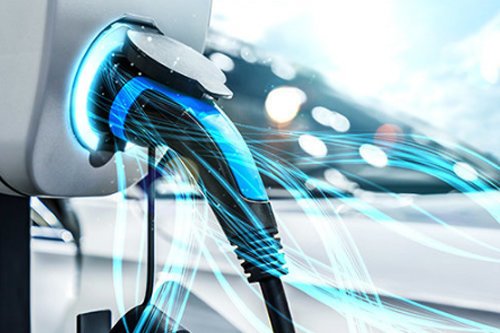
You’ve joined the electric vehicle revolution. Now, the key to a seamless EV ownership experience isn’t just the car—it’s the charger. While you can plug into a standard wall outlet, an AC EV charger (often called a wallbox) is the ultimate upgrade for speed, convenience, and safety.
This comprehensive guide will explain everything you need to know about AC EV chargers, how they work, and why a Level 2 home charger is the best investment you can make for your electric vehicle.
What is an AC EV Charger and How Does It Work?
First, it’s crucial to understand a fundamental principle: your electric vehicle runs on Direct Current (DC) power, but the electricity from your home grid is Alternating Current (AC).
An AC EV charger is technically an “EV Supply Equipment” that delivers AC power to the vehicle. The actual conversion from AC to DC happens inside the car, using its built-in onboard charger.
Think of it this way:
· The AC EV Charger is like a sophisticated “gatekeeper” that safely delivers power from your home’s electrical system to your car.
· The Car’s Onboard Charger is like the “kitchen” inside your EV, where the raw ingredients (AC power) are cooked into a usable meal (DC power for the battery).
This is also the key difference between AC and DC fast chargers. DC fast chargers bypass the car’s onboard charger, supplying DC power directly to the battery for extremely rapid charging, which is why they are large, expensive, and found at public stations.
Why You Need a Level 2 AC Home Charger
While every EV comes with a basic cable for a standard 120V outlet (Level 1 charging), upgrading to a Level 2 AC charger is a game-changer. Here’s why:
· Dramatically Faster Charging Speeds
This is the biggest advantage. A Level 1 charger might add 3-5 miles of range per hour. A Level 2 wallbox can add 25-60 miles of range per hour, fully charging most EVs overnight. No more “range anxiety”—your car is always ready to go each morning.
· Unmatched Convenience
Charge your EV in your own garage or driveway while you sleep, work, or relax. Say goodbye to frequent trips to public charging stations.
· Smarter Charging Features
Modern smart EV chargers connect to your home Wi-Fi and offer powerful features via a mobile app:
· Scheduling: Set charging to occur during off-peak electricity hours to save money.
· Remote Monitoring: Start, stop, or schedule charging sessions from your phone.
· Energy Tracking: See your charging history, energy usage, and cost savings.
· Enhanced Safety
Home EV chargers are built to rigorous safety standards, with features like built-in ground fault protection and automatic shut-off, making them safer than using a standard outlet with an adapter long-term.
How to Choose the Right AC EV Charger for Your Home
Not all wallbox chargers are the same. Consider these factors before you buy:
- Charging Power (Amps & kW):
· Common options are 16A, 32A, and 40A.
· A 32A charger on a 240V circuit delivers about 7.7 kW, a sweet spot for most homeowners.
· Ensure your home’s electrical panel can support the new circuit. A licensed electrician must handle the installation. - Cable Length: Choose a cable long enough to reach your car’s charging port comfortably from the installed location.
- Smart Features vs. Basic: Decide if you want app control, scheduling, and energy data. While “dumb” chargers are cheaper, smart chargers often pay for themselves in energy savings.
- Cable Management: Look for a built-in holster for the connector and a tidy way to wrap the cable.
- Brand Reputation and Warranty: Choose a reputable brand known for reliability and customer support, and a solid warranty (3+ years is standard).
AC EV Charger FAQs
Q: How much does it cost to install a Level 2 AC EV charger?
A:The charger unit itself typically costs between $500-$1200. Professional installation by a qualified electrician can range from $500-$$2000+, depending on the complexity of the electrical work required.
Q: Can I install an EV charger myself?
A:It is highly discouraged. Installing a 240V circuit involves high-voltage electrical work and typically requires a permit. Always hire a licensed electrician to ensure the installation is safe and compliant with local codes.
Q: What’s the difference between a 32A and a 40A charger?
A:A 40A charger will deliver power slightly faster than a 32A model. However, the maximum charging speed will ultimately be limited by your car’s onboard charger. Check your EV’s specifications to see what AC charging rate it can accept.
Conclusion: Power Up Your EV Lifestyle
An AC EV charger is more than just a piece of equipment—it’s the centerpiece of a convenient and cost-effective EV ownership experience. By investing in a Level 2 home charging station, you gain time, save money on fuel, and enjoy the peace of mind that comes with a fully charged vehicle every day.
Stop relying on slow outlets or inconvenient public stations. Upgrade to a dedicated home EV charger and unlock the full potential of your electric vehicle.
Ready to experience the convenience of home charging? Contact a local certified installer today to get a quote for your perfect AC EV charger solution.