

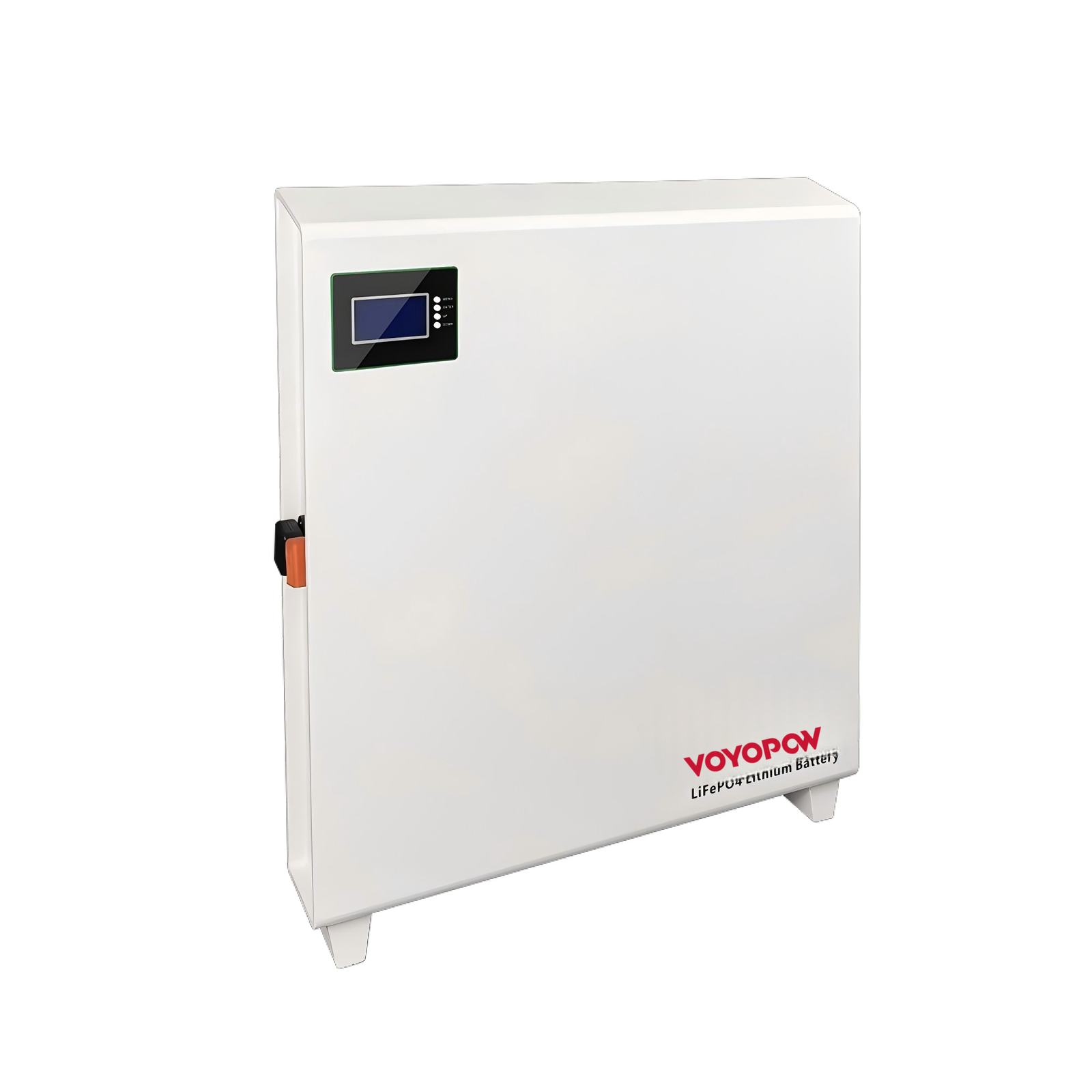
As global demand for efficient energy solutions reaches unprecedented levels, lithium storage batteries continue to dominate the energy storage landscape. With technological advancements making them more accessible and powerful than ever, these batteries are transforming how we power our homes, vehicles, and industries. But what’s new in 2025, and why should you consider lithium technology for your energy needs?
This comprehensive guide explores the latest developments in lithium storage battery technology, providing essential insights for homeowners, businesses, and tech enthusiasts alike.
Why Lithium Storage Batteries Are Leading the Energy Revolution
Superior Performance Metrics:
· Energy Density: Achieve 2-3 times more capacity in the same space compared to traditional lead-acid batteries
· Cycle Life: Modern lithium batteries deliver 3,000-6,000 cycles while maintaining 80% capacity
· Efficiency Rates: Experience 95-98% round-trip efficiency versus 80-85% in alternative technologies
2025 Market Trends:
The global lithium battery market has seen 40%year-over-year growth, driven by increasing renewable energy adoption and electric vehicle expansion. Prices have dropped 25% since 2022, making lithium storage more accessible than ever.
Breaking Down Lithium Battery Types: Which is Right for You?
- LiFePO4 (Lithium Iron Phosphate)
· Safety: Superior thermal and chemical stability
· Longevity: 5,000+ cycle lifespan
· Applications: Home energy storage, solar systems, RVs
· 2025 Update: New manufacturing techniques have reduced costs by 30%
- NMC (Nickel Manganese Cobalt)
· Power Density: Ideal for high-performance applications
· Compact Size: Perfect for limited spaces
· Common Uses: Electric vehicles, power tools
- Emerging Technologies
· Solid-state batteries entering commercial production
· Silicon-anode technology improving energy density
· Sodium-ion alternatives gaining traction for stationary storage
Critical Applications Transforming Industries
Residential Energy Storage:
Homeowners are increasingly pairing lithium batteries with solar installations to:
· Reduce electricity bills by 60-90%
· Ensure backup power during outages
· Achieve energy independence
Commercial & Industrial Solutions:
Businesses leverage lithium storage for:
· Peak shaving to reduce demand charges
· Load shifting for optimal energy pricing
· Emergency backup for critical operations
Electric Vehicle Infrastructure:
The EV revolution continues to drive lithium battery innovation,with:
· Faster charging capabilities (10-80% in 15 minutes)
· Extended range exceeding 400 miles per charge
· Improved safety features and thermal management
2025 Cost-Benefit Analysis: Understanding the Value Proposition
Initial Investment vs. Long-Term Savings:
While lithium batteries require higher upfront costs,their extended lifespan and superior performance deliver:
· 40-60% lower cost per cycle compared to lead-acid
· Reduced maintenance requirements
· Better warranty terms (8-12 years typical)
Return on Investment Timeline:
Most residential solar-plus-storage systems achieve payback in 6-8 years,with commercial installations often seeing returns in 3-5 years.
Safety Innovations and Maintenance Best Practices
2025 Safety Standards:
Modern lithium storage batteries incorporate:
· Advanced Battery Management Systems (BMS)
· Thermal runaway protection
· Smart monitoring and diagnostics
· UL-certified safety protocols
Maintenance Guidelines:
· Regular system health monitoring
· Software updates for optimal performance
· Professional installation and inspection
· Temperature control in storage environments
Future Outlook: What’s Next for Lithium Storage?
2026-2030 Predictions:
· Cost Reduction: Expected 40% decrease in $/kWh by 2030
· Performance Gains: 50% improvement in energy density
· Recycling Advances: Closed-loop recycling achieving 95% material recovery
· Grid Integration: Widespread adoption for grid stabilization and virtual power plants