

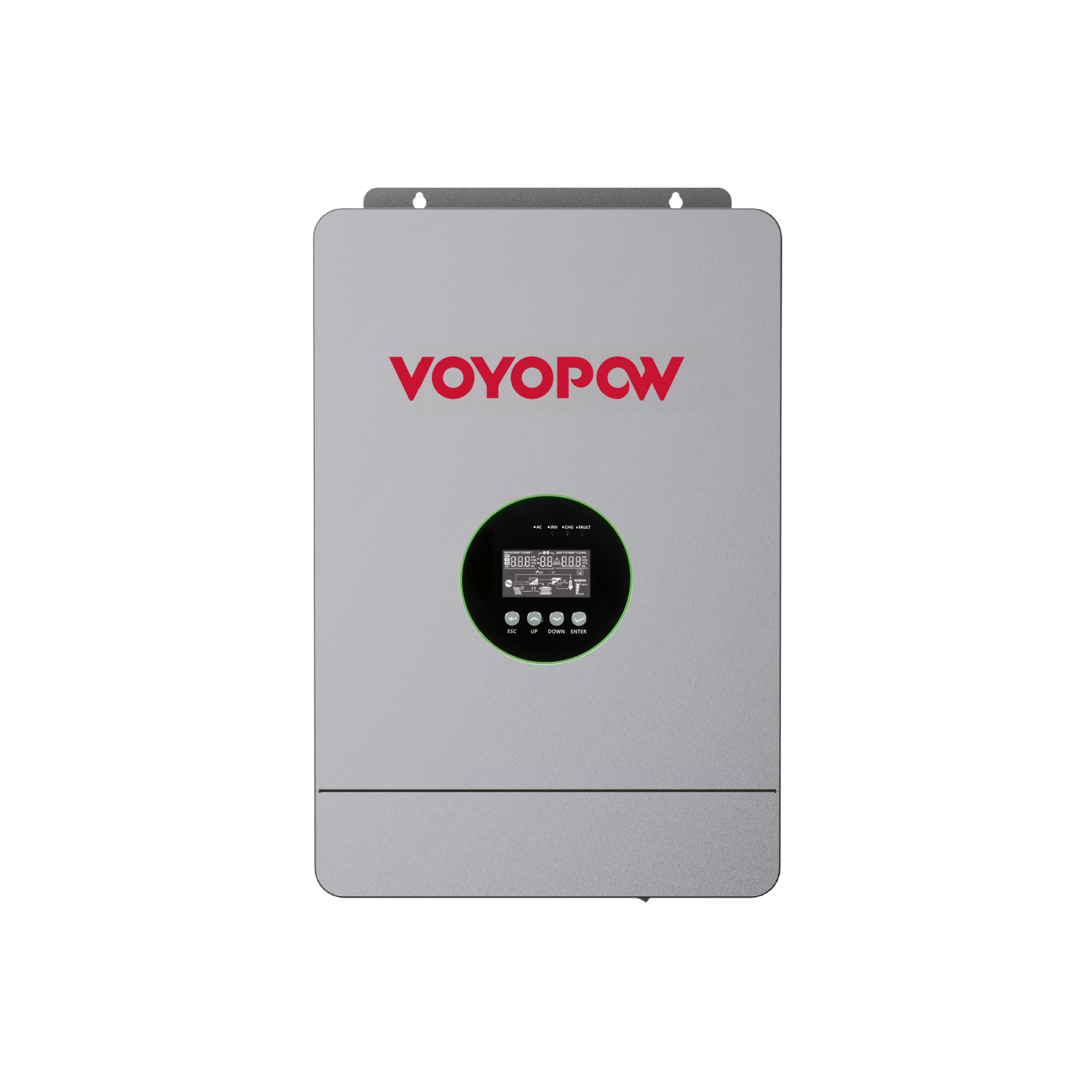
While solar panels often steal the spotlight in renewable energy discussions, the solar inverter is the true brains behind your solar power system. This critical component doesn’t just convert DC to AC electricity—it determines how efficiently you harness solar energy, how well your system handles shading, and whether you can add battery storage later.
As solar technology evolves rapidly, understanding modern inverter options becomes crucial for maximizing your return on investment. Here’s what you need to know about choosing the right solar inverter in 2025.
The Evolution of Solar Inverters: Beyond Basic Conversion
Today’s solar inverters are sophisticated energy management systems that:
Convert DC to AC Power
Solar panels generate Direct Current(DC) electricity, but your home requires Alternating Current (AC). The inverter seamlessly bridges this gap, making solar energy usable for your household appliances.
Optimize Energy Production
ThroughMaximum Power Point Tracking (MPPT), advanced inverters continuously adjust voltage and current to extract maximum power from your solar array, even as weather conditions change throughout the day.
Enable Smart Energy Management
Modern inverters integrate withhome energy management systems, allowing intelligent power distribution between your solar panels, battery storage, and the utility grid.
Provide Real-Time Monitoring
Most 2025 models featurecloud-connected monitoring, giving homeowners detailed insights into energy production and consumption patterns via smartphone apps.
Comparing Solar Inverter Technologies: Which Type Reigns Supreme?
String Inverters: The Cost-Effective Workhorse
How they work:Multiple panels connect in series to a single central inverter
2025 Advantages:Lower initial cost, simplified maintenance, improved durability
Considerations:Performance limited by lowest-producing panel in the string
Best for:Simple roof layouts with consistent, unshaded exposure
Microinverters: Maximum Performance Leaders
How they work:Each solar panel gets its own miniature inverter
2025 Advantages:Panel-level optimization, superior shade tolerance, enhanced safety with low-voltage DC, simplified expansion
Considerations:Higher upfront cost, potential maintenance challenges
Best for:Complex roof designs, partially shaded areas, homeowners seeking maximum production
Power Optimizers: The Smart Hybrid Solution
How they work:DC optimization at each panel with central conversion
2025 Advantages:Excellent shade performance, cost-effective monitoring, centralized maintenance
Considerations:Single point of failure at central inverter
Best for:Balancing performance with budget considerations
Hybrid Inverters: The Future-Proof Choice
How they work:Integrated management of solar, battery, and grid power
2025 Advantages:Built-in battery readiness, backup power capability, optimal energy arbitrage
Considerations:Higher complexity and cost
Best for:Energy independence goals, areas with unreliable grids, time-of-use rate optimization
2025 Market Trends: What’s Changing in Solar Inverter Technology
AI-Powered Optimization
Modern inverters now incorporatemachine learning algorithms that predict energy patterns and automatically adjust system performance for maximum efficiency.
Enhanced Grid Services
Advanced inverters supportgrid-forming capabilities, helping stabilize local grids and providing valuable grid services in areas with high solar penetration.
Integrated Energy Storage
The rise ofDC-coupled systems allows more efficient battery charging, reducing energy losses and improving overall system economics.
Cybersecurity Focus
As inverters become more connected,manufacturers are implementing enterprise-grade security protocols to protect against potential cyber threats.
Key Selection Criteria for 2025 Solar Buyers
Efficiency Ratings
Look for inverters with97% or higher efficiency ratings to minimize energy losses during conversion.
Warranty and Reliability
Consider extended warranty options—many manufacturers now offer15-25 year coverage for peace of mind.
Battery Compatibility
Ensure your inverter choice supports integration with popularhome battery systems like Tesla Powerwall, LG Chem, or Franklin WH.
Smart Home Integration
Choose inverters compatible withenergy management platforms for seamless control and optimization.
Making the Right Choice: Expert Recommendations
For budget-conscious homeowners with ideal roof conditions: High-quality string inverters from established brands like Fronius or SMA
For maximum production on challenging roofs: Enphase microinverters with their proven reliability and performance
For future-proof energy independence: SolarEdge with battery readiness or dedicated hybrid inverters from Generac PWRcell
The Bottom Line: Smart Inverter Choices Pay Dividends
Your solar inverter decision will impact your system’s performance for decades. While the initial cost difference between technologies might seem significant, the long-term energy production advantages of advanced systems often justify the investment.
Ready to optimize your solar investment? Consult with certified solar installers to get personalized recommendations based on your specific roof characteristics, energy needs, and future goals. The right inverter choice today will ensure maximum savings and performance for years to come.