

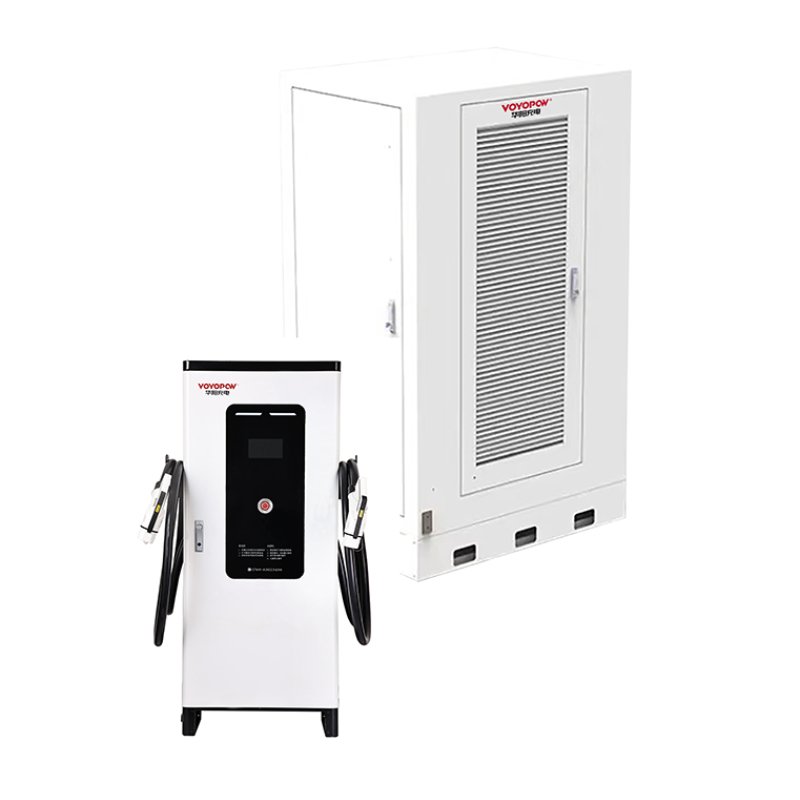
In the world of electric vehicles, time is the new currency. While charging at home overnight is convenient, there are times when you need to get back on the road quickly. This is where the DC EV charger, often called a DC fast charger or rapid charger, becomes essential.
If you’re asking, “What is a DC fast charger and how can it benefit me?” you’ve come to the right place. This comprehensive guide will explain everything you need to know about this powerful technology.
What is a DC Fast Charger? (The Core Concept)
A DC fast charger is a high-powered electric vehicle supply equipment (EVSE) that delivers direct current (DC) electricity directly to an EV’s battery, bypassing the car’s onboard charger.
To understand this, let’s contrast it with the more common AC chargers:
· AC Charging (Level 1 & 2): Your home and most public stations provide Alternating Current (AC). Your EV has an onboard charger that converts this AC power into DC power to store in the battery. This conversion process takes time and limits speed.
· DC Fast Charging: These stations convert AC power from the grid to DC within the charging station itself. Since they supply DC power directly to the battery, they bypass the slower onboard charger, resulting in dramatically faster charging times.
Think of it like filling a pool: AC charging is like using a garden hose, while DC fast charging is like using a fire hose.
How Fast is a DC Fast Charger? Get Ready to Be Impressed
The charging speed of a DC EV charger is breathtaking. It’s measured in kilowatts (kW), and common public stations range from 50 kW to 350 kW and beyond.
Here’s a practical comparison:
Charger Type Power Output Typical Charge Time (for a 60kWh battery)
Level 1 (Home) 1 – 1.8 kW 40-50 hours
Level 2 (Home/Public) 7 – 19 kW 4-10 hours
DC Fast Charger 50 – 350 kW 20-80% in 20-40 minutes
As you can see, a DC fast charging station can add 100-200 miles of range in just 30 minutes, making long-distance EV travel not just possible, but practical.
The Three Types of DC Fast Charging Connectors
Not all DC fast chargers use the same plug. The connector type depends on your vehicle’s make and region.
- CCS (Combined Charging System): The dominant standard in North America and Europe. It combines an AC plug with two additional DC pins.
- CHAdeMO: A standard pioneered by Japanese automakers, like Nissan and Mitsubishi. It uses a separate, distinct plug.
- Tesla Supercharger: Exclusive to Tesla vehicles in North America. However, with adapters and the opening of the network to other EVs, this is changing. Tesla uses the same port for AC and DC charging.
Pro Tip: Most modern non-Tesla EVs in the US use the CCS connector. Always check what connector your EV requires before traveling.
Where to Find a DC Fast Charging Station
Finding a public EV charger is easier than ever. You can locate DC fast charging stations using:
· In-car navigation systems (often the most accurate)
· Apps like PlugShare, ChargePoint, and Electrify America
· Google Maps (simply search for “EV charging stations near me”)
Look for them along major highways, in shopping centers, and at rest stops—perfect for topping up during a road trip or a long day of errands.
The Pros and Cons of DC Fast Charging
Pros:
· Unmatched Speed: Ideal for long trips and quick top-ups.
· Public Convenience: Enables EV ownership for those without home charging.
· Reduces Range Anxiety: Knowing you can charge quickly makes long journeys less stressful.
Cons:
· Higher Cost: DC fast charging is significantly more expensive per kWh than home charging.
· Potential Battery Stress: Frequent use can contribute to long-term battery degradation. It’s best used when necessary, not as a primary charging method.
· Availability: While growing, they are less common than Level 2 chargers.
Is DC Fast Charging Right for You?
DC fast charging is a revolutionary technology that makes electric vehicle ownership viable for everyone. It is the perfect solution for:
· Long-distance road trips
· Ride-share and fleet drivers
· Quick top-ups when you’re away from home
For daily use, however, Level 2 AC charging at home remains the most cost-effective and battery-friendly option.
Final Thoughts
The DC EV charger is the backbone of the modern EV ecosystem, shattering the myth that electric cars can’t handle long journeys. By understanding how they work, their incredible speed, and when to use them, you can maximize the convenience and enjoyment of your electric vehicle.
Ready to find a DC fast charger near you? Use our interactive station locator or download a trusted app like PlugShare to plan your next adventure with confidence.