

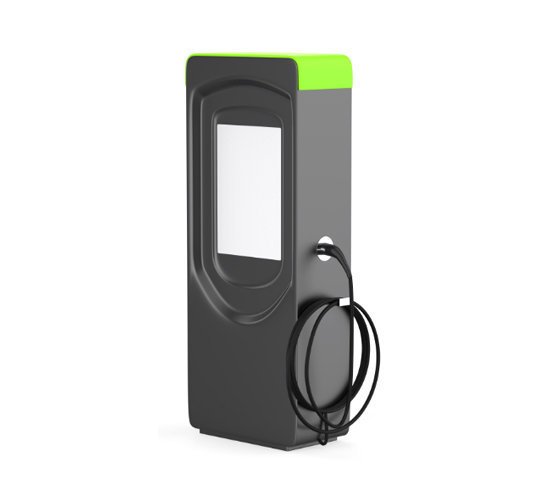
For electric vehicle owners, charging at home is a convenience. But for long journeys, time is of the essence. This is where the DC EV charger—commonly known as a DC fast charger or rapid charger—becomes indispensable. It’s the technology that makes cross-country electric travel a practical reality, adding hundreds of miles of range in mere minutes.
This guide dives deep into the world of DC EV charging, explaining how it works, its critical role in the EV ecosystem, and what every driver should know before using one.
What is a DC EV Charger and How Does It Work?
To understand a DC fast charger, it’s crucial to first know the difference between AC and DC power:
· AC (Alternating Current): The standard power from your home grid and what AC chargers provide. Your EV has an onboard charger that converts this AC power into DC to store in the battery.
· DC (Direct Current): The type of power stored in your EV’s battery.
A DC EV charger is fundamentally different from a home AC charger. It acts as an external, high-power onboard charger, converting AC grid power to DC within the charging station itself. This high-voltage DC electricity is then delivered directly to the vehicle’s battery, bypassing the car’s slower, internal converter.
In simple terms: While an AC charger is like delivering ingredients for your car to cook (convert) itself, a DC fast charger delivers a fully prepared meal directly to the battery.
DC Fast Charging vs. AC Charging: A Clear Comparison
Feature DC Fast Charger (Public Station) AC Level 2 Charger (Home/Work)
Power Type Direct Current (DC) Alternating Current (AC)
Charging Speed Extremely Fast. Can add 60-200 miles in 20-40 mins. Moderate. Adds 20-40 miles per hour.
Primary Use Long-distance travel, en-route charging. Overnight charging, workplace charging, daily top-ups.
Power Output 50 kW and up (Common: 50-150kW, High-Power: 350kW+) Typically 7kW to 22kW
Cost & Size Large, expensive, complex infrastructure. Smaller, affordable, simple installation.
Key Benefits of DC Fast Charging
· Unmatched Charging Speed: This is the core advantage. A DC EV charger can recharge most EVs from 10% to 80% in well under an hour, making long road trips feasible and reducing waiting time significantly.
· Enables Long-Distance Travel: The existence of a robust network of DC fast charging stations is what makes interstate and cross-country EV travel possible. They are strategically placed along highways and major routes.
· Public Accessibility: These chargers are the backbone of public charging networks, serving drivers who lack home charging, those in multi-unit dwellings, and anyone on a long journey.
Understanding Charging Standards: CCS, CHAdeMO, and NACS
Not all DC fast chargers use the same plug. The main connectors are:
· CCS (Combined Charging System): The most common standard in North America and Europe for new vehicles. It combines an AC plug with two additional DC pins.
· NACS (North American Charging Standard): Originally developed by Tesla, this compact connector is being adopted by nearly all major automakers for future vehicles. It supports both AC and DC charging through the same port.
· CHAdeMO: A standard primarily used by Japanese automakers like Nissan. While its adoption is slowing for new models, it remains important for existing vehicles like the Nissan LEAF.
Most public DC charging stations are equipped with both CCS and CHAdeMO cables, and are rapidly adding NACS connectors.
Important Considerations for Drivers
· Charging Curve: EVs don’t charge at a constant rate. Charging is fastest when the battery is at a low state of charge and slows down as it fills up, especially above 80%. This is why it’s often recommended to only charge to 80% on a road trip for optimal speed.
· Cost: DC fast charging is significantly more expensive than charging at home, as you’re paying for the immense power and infrastructure. Pricing can be per kWh or per minute.
· Battery Health: Frequent use of DC fast chargers can contribute to long-term battery degradation slightly more than AC charging. However, for occasional road trips, the impact is minimal for most modern EVs with robust battery management systems.
DC EV Charger FAQs
Q: How long does it take to charge an EV with a DC fast charger?
A:Time varies based on the charger’s power and your car’s maximum acceptance rate. A 150kW charger can typically bring a compatible EV from 10% to 80% in about 20-40 minutes.
Q: Can all electric vehicles use a DC fast charger?
A:No. The vehicle must be equipped with a DC fast charge port (CCS, NACS, or CHAdeMO). Most modern BEVs have this, but plug-in hybrids (PHEVs) and some older EVs do not.
Q: How do I find a DC fast charging station near me?
A:Use apps like PlugShare, ChargePoint, Electrify America, or your vehicle’s built-in navigation system, which often routes you through compatible rapid charging stations.
Conclusion: The Highway’s Powerhouse
The DC EV charger is not just a faster charger; it’s a foundational technology for mainstream EV adoption. It eliminates “range anxiety” on long journeys and provides a vital public utility, complementing the convenience of home AC charging.
As battery technology improves and charging networks expand, the speed and accessibility of DC fast charging will only get better, solidifying its role as the indispensable fuel stop for the electric age.
Planning your next electric road trip? Use a charging app to map out the DC fast chargers along your route and enjoy a seamless journey.