

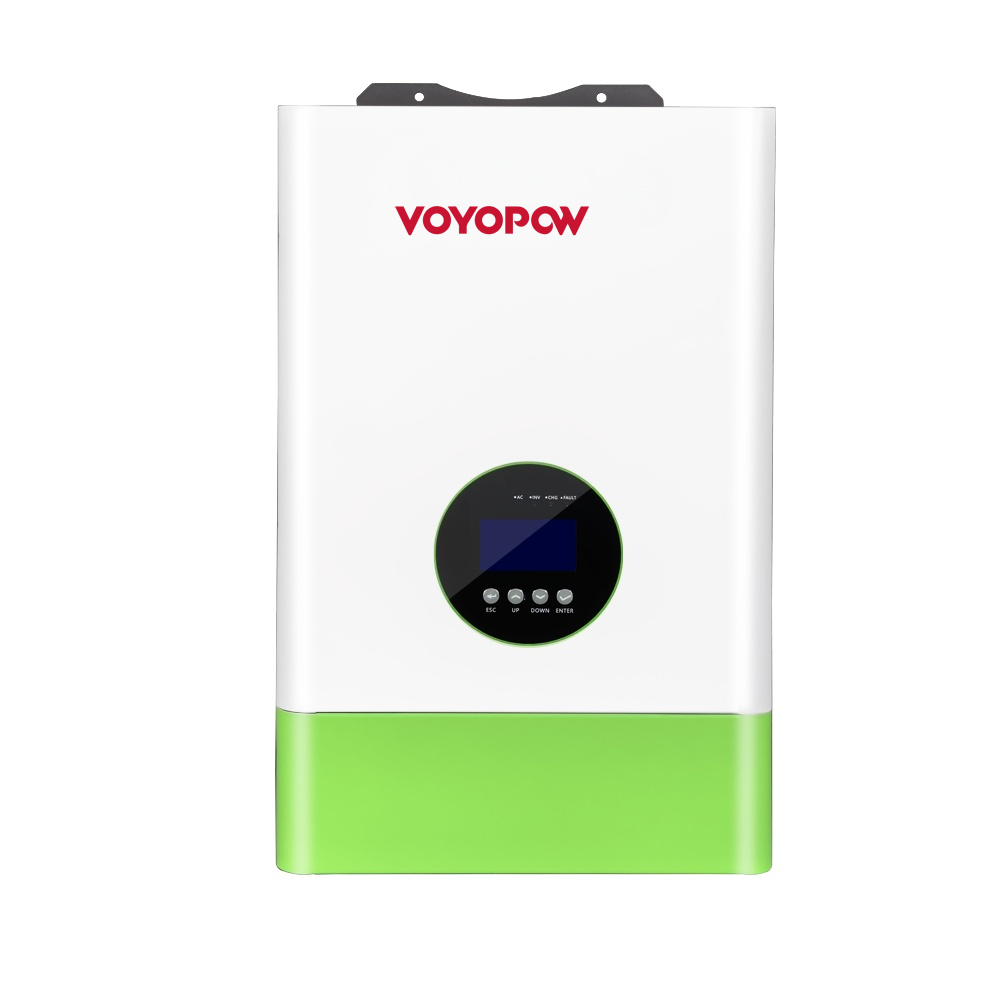
You’ve invested in solar panels to capture free, clean energy from the sun. But did you know that the electricity they produce isn’t ready to power your home? This is where the solar inverter comes in. It’s the critical component that makes the energy from your panels usable.
This comprehensive guide will explain everything you need to know about a solar inverter: what it is, how it works, the different types available, and key factors to consider when choosing the best one for your home energy system.
What is a Solar Inverter and How Does It Work?
A solar inverter is the central hub of a photovoltaic (PV) system. Its primary job is to convert the Direct Current (DC) electricity generated by your solar panels into Alternating Current (AC) electricity. This is essential because your home appliances and the electrical grid run on AC power.
In simple terms, the inverter is the “brain” of your solar operation. Beyond basic conversion, modern inverters perform several key functions:
· Maximize Power Output: They continuously track the voltage and current to ensure your system operates at its peak efficiency (a process known as Maximum Power Point Tracking, or MPPT).
· Interface with the Grid: For grid-tied systems, the inverter synchronizes the AC output with the utility grid’s waveform, allowing for seamless energy export and import.
· Provide System Monitoring: Most inverters now offer detailed performance data, allowing you to monitor your system’s energy production in real-time via a smartphone app or web portal.
· Ensure Safety: They include critical safety features that automatically shut down the system in case of a grid power outage, protecting utility workers (a feature known as anti-islanding).
Types of Solar Inverters: Which is Right for You?
Choosing the right type of solar power inverter is crucial for your system’s performance and cost. The three main types are:
- String Inverters
· How they work: This is the most common and cost-effective type. A string of solar panels is connected in series, and their combined DC output is sent to a single, centrally located inverter.
· Pros: Lower initial cost, simple design, easy maintenance.
· Cons: If one panel in the string is shaded or dirty, it can reduce the performance of the entire string. Best for roofs with minimal shading.
- Microinverters
· How they work: A small inverter is installed on each individual solar panel. This means each panel operates independently, converting DC to AC right at the source.
· Pros: Maximizes energy harvest, especially if some panels are shaded. Panel-level monitoring provides detailed performance data. Enhanced safety with lower DC voltage.
· Cons: Higher upfront cost per unit than a string inverter.
- Power Optimizer Systems (a Hybrid Solution)
· How they work: This system combines features of both. A power optimizer is attached to each panel (like a microinverter), but it only “conditions” the DC electricity and sends it to a central string inverter for final conversion.
· Pros: Offers many benefits of microinverters, like panel-level optimization and monitoring, often at a lower cost. Mitigates shading issues.
· Cons: Slightly more complex system than a standard string inverter.
Key Factors to Choose the Best Solar Inverter
When selecting an inverter for your home solar system, consider these factors:
· Efficiency: Look for a high efficiency rating (e.g., 97-99%). This indicates how much DC power is successfully converted to usable AC power.
· Warranty: Inverter warranties typically last 10 to 25 years. A longer warranty often reflects the manufacturer’s confidence in their product.
· Type and Size of Your Solar Array: The inverter must be correctly sized to handle the total DC output of your solar panels. Your installer will calculate this.
· Your Roof Conditions: If your roof has shading issues from trees or chimneys, microinverters or power optimizers are often the best choice to maximize production.
· Monitoring Capabilities: Check what kind of monitoring software the inverter uses and how easily you can access your system’s data.
Solar Inverter FAQs
Q: Can a solar inverter work without the grid?
A:Standard grid-tied inverters cannot. For backup power during an outage, you need a hybrid inverter or battery storage inverter that can operate in “island mode,” often paired with a solar battery.
Q: What is the lifespan of a solar inverter?
A:Most string inverters last 10-15 years, while microinverters often come with a 25-year warranty. This means you will likely need to replace your inverter once during your solar system’s 25+ year lifespan.
Q: Why is my inverter beeping or showing a fault light?
A:This usually indicates an error, such as a grid fault, wiring issue, or internal failure. Consult your installer or the inverter’s manual for specific error codes.
Conclusion: Making an Informed Decision
The solar inverter is not just a simple converter; it’s the intelligent heart of your energy system. Choosing between a string inverter, microinverter, or power optimizer will significantly impact your system’s efficiency, monitoring capabilities, and long-term value.
By understanding the role and types of solar inverters, you can have a more productive conversation with your solar installer and select the perfect “brain” for your home’s clean energy future.
Ready to power your home with solar? Find a certified installer today to get a quote tailored to your needs and roof.