

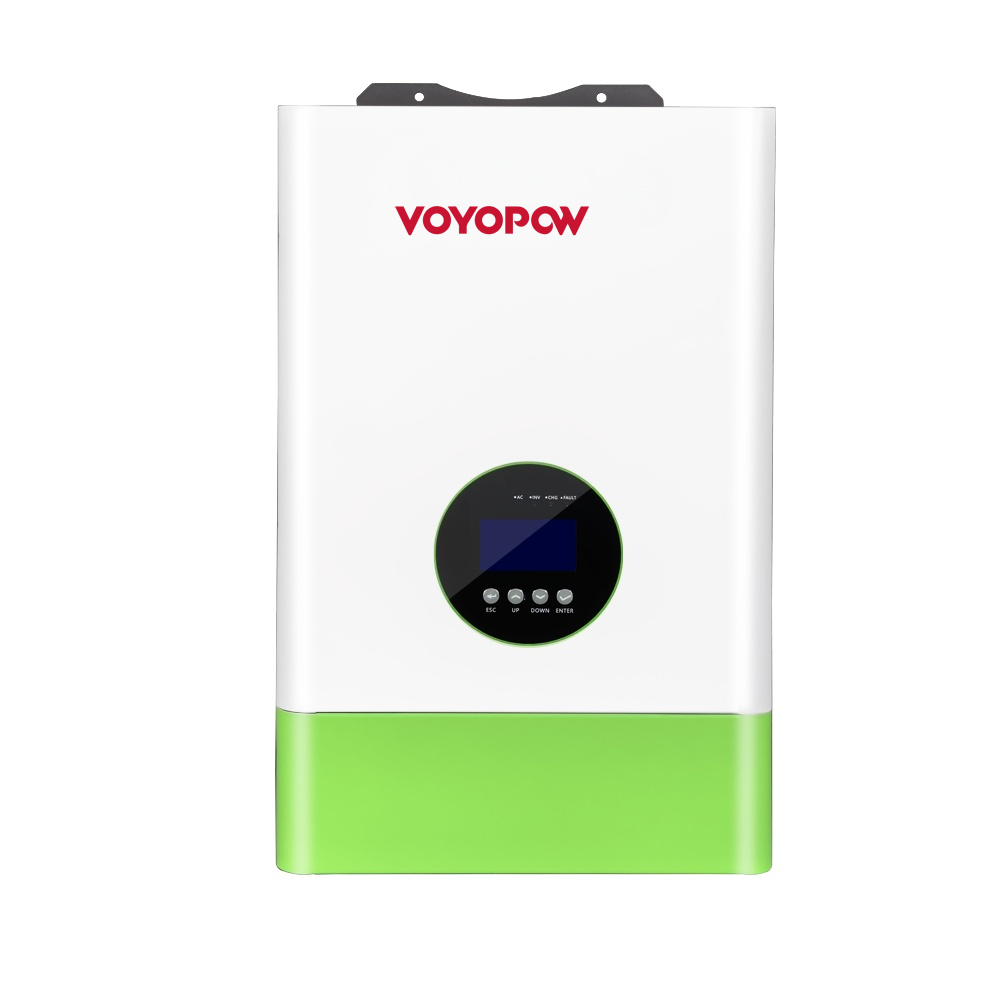
The solar inverter has evolved from a simple converter into the intelligent command center of your home’s energy ecosystem. While solar panels capture sunlight, it’s the solar inverter that determines how efficiently that power is used, stored, and managed. In 2026, with advancements in AI, battery integration, and grid interaction, choosing the right inverter is more critical than ever for achieving true energy independence and maximizing financial return.
This updated guide explores the latest technologies and provides a clear framework for selecting the perfect inverter for your home’s unique needs.
Beyond Conversion: The Multi-Faceted Role of a Modern Inverter
Today’s solar inverters are sophisticated energy managers. Their core functions have expanded far beyond basic DC-to-AC conversion:
- Advanced Optimization: Using dual Maximum Power Point Tracking (MPPT) and even AI-driven algorithms, modern inverters continuously analyze weather data and panel performance to extract every possible watt of energy, adapting in real-time to shading and cloud cover.
- Grid Interaction & Services: Smart inverters can now provide grid-forming and grid-supporting functions. They help stabilize voltage and frequency, a crucial feature as renewable penetration increases, and can even generate revenue by providing services to the utility grid.
- Integrated Energy Management: The inverter is the brain of a connected system, seamlessly orchestrating power flow between solar panels, home battery storage, the electric grid, and even your electric vehicle charger.
- Comprehensive Monitoring & Security: Cloud-based platforms offer granular, real-time insights into production and consumption. With increased connectivity, leading brands now prioritize enterprise-grade cybersecurity protocols to protect your system’s data and functionality.
2026 Inverter Technology Breakdown: Matching Type to Your Goal
The choice of inverter technology fundamentally shapes your system’s performance, scalability, and resilience.
- String Inverters
· How it Works: Multiple panels are connected in series to a single, centralized inverter.
· 2026 Outlook: Remains the most cost-effective solution per watt. Newer models feature improved efficiency and multiple MPPT inputs to mitigate shading issues on simple roof planes.
· Best For: Homes with large, unshaded roof areas facing a single direction and homeowners prioritizing upfront cost savings.
- Microinverters
· How it Works: Each solar panel has its own dedicated, small inverter installed directly on the racking.
· 2026 Outlook: The leader in panel-level optimization and safety. Offers superior performance on complex roofs, enables easy system expansion, and eliminates high-voltage DC wiring. Brands like Enphase continue to dominate with integrated systems.
· Best For: Roofs with multiple angles, partial shading, or plans for future expansion. Ideal for homeowners seeking maximum production from every panel and enhanced safety.
- Power Optimizer Systems (DC Optimizers)
· How it Works: A hybrid approach. A power optimizer at each panel conditions the DC electricity, which is then sent to a central string inverter for conversion.
· 2026 Outlook: Strikes an excellent balance between panel-level monitoring/optimization and centralized conversion. Offers great shade tolerance and detailed performance data, often at a lower cost than full microinverter systems.
· Best For: Homeowners who want detailed monitoring and high shade resilience but prefer the consolidated maintenance of a central inverter unit.
- Hybrid / Battery-Ready Inverters
· How it Works: A multi-mode inverter designed from the ground up to manage and integrate solar panels, battery storage, and the grid simultaneously.
· 2026 Outlook: The cornerstone of energy independence. Modern hybrid inverters often feature DC-coupling for efficient battery charging and advanced software for “energy arbitrage”—charging batteries when grid power is cheap and using it when it’s expensive.
· Best For: Anyone considering adding battery storage now or in the future, living in areas with frequent outages, or aiming to maximize self-consumption under time-of-use utility rates.
2026 Buyer’s Checklist: Key Considerations
When evaluating solar inverters this year, focus on these critical factors:
· Efficiency & Warranty: Seek peak efficiencies above 97.5% and a minimum 12-year standard warranty, with options to extend to 20-25 years.
· Battery & EV Readiness: Ensure the inverter technology is compatible with major battery systems (Tesla, LG, etc.) and can support bidirectional EV charging if that’s in your future.
· Software & Monitoring: Prioritize systems with intuitive, feature-rich apps that offer real-time insights, alerts, and energy usage breakdowns.
· Grid Services Capability: In some regions, inverters that can participate in grid support programs may offer additional financial benefits.
· Scalability: Choose a system that allows for relatively straightforward addition of more panels or batteries down the line.
The Verdict: It’s About Your Energy Profile
There is no single “best” inverter—only the best inverter for your specific situation.
· Choose a String Inverter for simplicity and lowest cost on an ideal roof.
· Choose Microinverters for maximum production and design flexibility on challenging roofs.
· Choose a Hybrid Inverter if energy security, backup power, and time-of-use rate management are your top priorities.
Conclusion: The Heart of a Smarter Home Energy System
In 2026, your solar inverter is the key to unlocking a resilient, efficient, and cost-effective energy future. By understanding the capabilities of each technology and aligning them with your goals—whether that’s maximum savings, energy security, or full home integration—you make an investment that pays dividends for decades.
Ready to power your home with intelligence? Consult with a certified solar installer to design a system with the ideal 2026-ready inverter at its core